
Travel Essentials
Before your trip, make sure you pack the right travel essentials for Jamaica—light clothing, beachwear, sunscreen, and insect repellent are a must. Knowing what to bring helps you enjoy a smooth and stress-free Caribbean vacation.
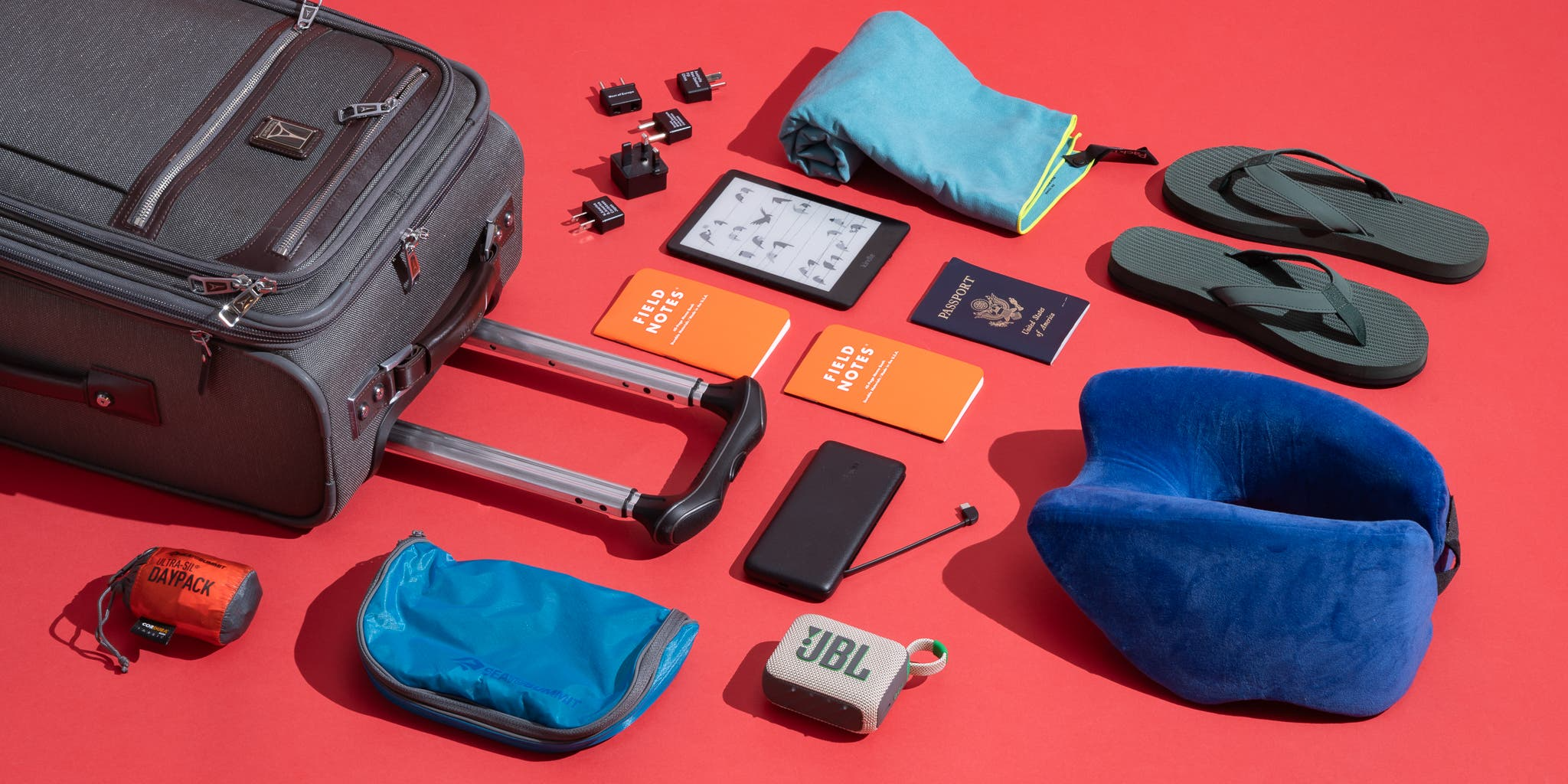
Travel Essentials for Visiting Jamaica
Why Being Prepared Matters
Jamaica is a destination of golden beaches, reggae rhythms, waterfalls, and vibrant culture. But to make the most of your trip, a few essentials can make traveling smoother, safer, and more enjoyable. From the right documents to local currency tips, here’s everything you need to know before you go.
1. Travel Documents
Bring a valid passport that is valid for at least 6 months beyond your stay. U.S., Canadian, and most European travelers do not need a visa for visits under 90 days, but always confirm your country’s requirements. You may also be asked for proof of a return or onward ticket. Non-citizen residents of the U.S. or Canada should carry their residence cards along with their passports.
2. Health & Safety Essentials
Travel insurance is strongly advised, covering health, delays, and theft. No mandatory vaccines are required unless you’re arriving from a yellow fever zone. Pack any prescriptions in original bottles along with a doctor’s note if necessary. Jamaica’s tropical sun is strong, so bring high-SPF sunscreen, sunglasses, a wide-brim hat, and aloe vera gel. Mosquito repellent (DEET-based) is essential, especially if you’ll be in rural or coastal areas.
3. Money & Payments
The official currency is the Jamaican Dollar (JMD), though U.S. dollars are widely accepted. ATMs are available in major towns and resorts, but use those inside banks or shopping plazas for safety. Credit cards are accepted in hotels, resorts, and larger restaurants, while small shops and taxis prefer cash. Tipping is standard: 10–15% at restaurants if not included and small amounts for drivers, guides, and porters.
4. Clothing & Packing Tips
Pack lightweight, breathable clothing such as linen and cotton to stay cool in the tropical climate. Beachwear is a must, but note that swimsuits are only for the beach or pool, not for town or shops. Upscale restaurants and resorts may require evening wear — collared shirts, dresses, and closed-toe shoes. For adventures, pack water shoes for waterfalls, hiking shoes for trails, and a light rain jacket for tropical showers.
5. Electronics & Connectivity
Jamaica uses 110V power with Type A/B plugs, the same as the U.S. Travelers from Europe or Asia will need an adapter. Wi-Fi is common in hotels and cafes, though speeds vary outside major towns. If you need reliable connectivity, buy a local SIM card from Digicel or Flow. A portable power bank is handy for excursions where outlets are scarce.
6. Transportation Essentials
Driving is on the left side of the road, and car rentals are available in major towns. Roads can be narrow, winding, and poorly lit, so drive cautiously. Licensed taxis have red plates — always agree on a fare before the trip. Airport transfers should be pre-booked, especially when arriving in Kingston or Montego Bay. For long-distance travel, local flights or charters are available between Kingston, Montego Bay, and Ocho Rios.
7. Cultural & Practical Tips
English is the official language, but you’ll hear Jamaican Patois everywhere — it’s part of the island’s identity. Jamaicans are warm and friendly; a polite “Good morning” or “Respect” goes a long way. Tap water is generally safe in major cities and resorts, but stick to bottled water in rural areas. Street food is safe and delicious — try jerk chicken, patties, fried fish, and roast yam from local vendors. Stay alert in crowded places, avoid flaunting valuables, and use licensed transport at night.
8. Must-Have Extras
A reusable water bottle will help you stay hydrated in the heat. A dry bag is essential for waterfalls and boat trips, and water shoes will make climbing Dunn’s River Falls or exploring rivers easier. A travel guidebook or offline map app is handy in areas with spotty cell coverage. Don’t forget a camera or phone with plenty of storage — Jamaica’s landscapes and culture are endlessly photogenic.
9. Timing Your Trip
The best time to visit Jamaica is November to April when the weather is sunny and dry. Summer and early fall are hotter and more humid, with the possibility of afternoon showers, though prices are lower. Always pack a poncho or umbrella, no matter the season.
Final Word
With the right preparation, Jamaica becomes an effortless paradise to explore. Bring your essentials, respect the local culture, and balance relaxation with adventure. From Montego Bay’s luxury resorts to Kingston’s reggae heartbeat, Negril’s legendary beaches to the hidden waterfalls of Portland, the island has everything you need for an unforgettable journey.